Reviewing Nurse a Littljust Queen for Embroidery
As an embroidery designer who has spent years digitizing files and testing them on everything from crisp cotton to stretchy performance blends, I approach every new machine embroidery design with a critical eye. It is not just about whether the image looks cute on a screen; it is about how those stitches will lay down on fabric, how the tension holds up after washing, and whether the final finished product feels professional enough to sell. Recently, I evaluated Nurse a Littljust Queen, a digital asset that caught my attention for its thematic relevance and potential in the healthcare appreciation market.
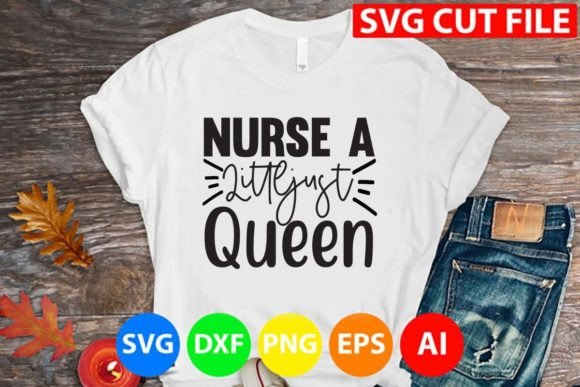
The first impression of Nurse a Littljust Queen is one of playful empowerment. The phrase combines a popular cultural reference with a nod to the nursing profession, creating a mood that is both lighthearted and respectful. For those of us in the Crafts industry, specifically within the Graphics niche, finding designs that balance humor with professionalism is key. This design does not scream for attention with overly complex details; instead, it relies on strong typography and clear visual hierarchy. When I visualize this as an embroidery project, I immediately see it working best where legibility is paramount. The layout suggests a design that needs room to breathe, making it ideal for larger hoop sizes rather than cramped, small-scale applications.
Real-World Application: The Custom Tote Bag Test
To truly understand the viability of Nurse a Littljust Queen, I imagined a specific real-life scenario: creating a custom gift for a nursing student graduating from their program. A canvas tote bag is a staple item for students and professionals alike, carrying textbooks, stethoscopes, and lunch boxes. Using this digital embroidery file on a medium-weight canvas tote allows the stitches to sink slightly into the weave, creating a textured, high-quality look.
In this context, the design performs well because the text-based nature of the graphic translates effectively into satin or fill stitches. If I were stitching this for a small shop product, I would likely choose a bold thread color like royal blue or medical teal to contrast against a natural or white canvas. The visual personality of the design fits naturally here—it is functional yet celebratory. For an Etsy seller or craft business owner, this type of personalized gift has high perceived value. Customers are not just buying a bag; they are buying recognition of their hard work and identity as a nurse. The design supports this narrative without feeling cluttered or overly decorative.
Fabric Considerations and Stitching Clarity
One of the most important aspects of reviewing any embroidery file is understanding how it interacts with different materials. Nurse a Littljust Queen appears to rely heavily on lettering and potentially simple iconography. This means that stitch density becomes a crucial factor. On stable fabrics like denim, twill, or heavy cotton, the design should hold its shape beautifully. However, when moving to stretchy fabric such as jersey knits for t-shirts or sweatshirts, extra care is required.
If you plan to use this for sweatshirt embroidery or custom apparel, I strongly recommend using a cut-away stabilizer. Stretchy fabrics can distort text, making letters look wavy or uneven if the stabilization is insufficient. Additionally, because the design likely features distinct lines and shapes, using a running stitch for underlay is essential to anchor the fabric before the top stitches are applied. For dark fabric, ensure that your thread colors have high contrast. A light pink or white thread on a navy scrub top, for example, would make the "Queen" aspect of the design pop, enhancing the visual appeal and ensuring the message is readable from a distance.
Conversely, be cautious with thin fabric or delicate materials. If the fill stitch areas are dense, they might pucker lightweight rayon or silk blends. In such cases, testing on scrap fabric is non-negotiable. You want to avoid a situation where the stiffness of the embroidery compromises the drape of the garment. This is particularly relevant for baby embroidery items, where softness and comfort are prioritized over heavy decoration.
Commercial Viability for Small Business Owners
For commercial embroidery professionals and digital product sellers, the versatility of Nurse a Littljust Queen is a significant asset. The nursing demographic is vast, ranging from students to seasoned ICU veterans. This design can be adapted for various products beyond apparel. Consider an embroidered patch for a work bag or a cap. Patches allow for high-density stitching on a stable backing, which can make the text appear crisp and durable. This is an excellent option for holiday embroidery gifts, such as Christmas presents for hospital staff, where durability and washability are key.
When creating printable mockup images for your online store, this design offers great flexibility. It looks equally good on a tote bag design preview as it does on a pillow cover or kitchen towel. The key to successful sales is presenting the design in contexts that your target audience recognizes. Show it on a nurse’s breakroom mug cozy or a personalized apron. These design assets help buyers visualize the end result, increasing buyer engagement and trust. As an Etsy seller, consistency in branding is vital. If your shop focuses on medical professions, this design fits seamlessly into a broader collection, reinforcing your niche expertise.
Practical Designer Notes and Best Practices
Before you commit to stitching Nurse a Littljust Queen on a client’s expensive garment, there are several practical steps you should take. First, always check the specific file formats provided. While the description mentions it is a digital file for t-shirt designs, ensure you have the correct format for your machine, whether it is PES, DST, or another proprietary type. Since exact technical details like stitch count are not provided in the basic description, you must open the file in your embroidery software to inspect the pathing.
- Test on Scrap Fabric: Never skip this step. Check for puckering, thread breaks, or registration issues.
- Check Thread Color Contrast: Ensure the text stands out against the background fabric. Use a color wheel to find complementary shades.
- Review Stitch Density: If the design feels too heavy, consider reducing the density in your software to prevent fabric distortion.
- Confirm Hoop Size: Make sure your hoop is large enough to accommodate the full design without re-hooping, which can lead to misalignment.
- Inspect Small Details: Zoom in on the lettering. Are the connections between letters secure? Will tiny serifs stitch out cleanly?
- Use Proper Stabilizer: Match the stabilizer to the fabric weight. Cut-away for knits, tear-away for wovens.
- Verify Licensing: Before selling finished items, confirm that the license allows for commercial use. This is critical for maintaining professionalism and avoiding legal issues.
Finally, consider the washing instructions for the final product. Advise your customers to turn embroidered items inside out and wash on cold to preserve the integrity of the stitches. This simple tip enhances customer satisfaction and reduces returns due to perceived quality issues.
Final Thoughts on Design Value
In conclusion, Nurse a Littljust Queen is a solid addition to any designer’s library, particularly for those targeting the healthcare and appreciation gift markets. Its strength lies in its clear messaging and adaptable layout. While it requires careful attention to stabilizer choice and fabric selection, the potential for creating high-value, meaningful products is significant. Whether you are making a single personalized gift for a friend or stocking your small shop product line with trendy nurse apparel, this design offers a professional foundation. By approaching it with the practical mindset of an experienced embroiderer, you can ensure that every stitch contributes to a polished, durable, and attractive final piece.